
The Overwhelmed Soul in a Cluttered World
In our fast-paced, always-on world, our homes have increasingly become extensions of the chaos outside. We accumulate, we collect, we fill every available surface, believing that more possessions equate to more comfort, more happiness, or more memories. But for many, this relentless accumulation eventually leads to a creeping sense of overwhelm, a subtle anxiety that whispers from every cluttered counter and overflowing closet.
Have you ever walked into a truly minimalist home and felt an immediate sigh of relief? A sense of calm washing over you, an almost palpable quietness that transcends mere silence? This isn’t just about stark, empty rooms or sacrificing every comfort for the sake of aesthetics. True minimalist home design is a powerful philosophy that aims to create sanctuaries of peace and clarity by intentionally curating your surroundings.
It’s about choosing quality over quantity, purpose over clutter, and visual tranquility over sensory overload. It’s about designing a space that supports your well-being, reduces stress, and allows you to breathe. Join me as we explore the journey of creating a minimalist home, not as a rigid rulebook, but as an artful approach to living with less, and gaining so much more. This narrative will guide you through practical steps and mindset shifts to bring profound calm into every corner of your home.
The Genesis of Calm: A Shift in Perspective
My journey into minimalism wasn’t about deprivation; it was about liberation. I remember looking around my own living room, filled with beloved but ultimately overwhelming items, and realizing that instead of bringing joy, they brought a constant hum of maintenance and distraction. That’s when I understood: minimalism isn’t just about what you remove, but about what you make space for.
1. The Great Purge: A Loving Release, Not a Ruthless Discard
Before you can design a minimalist home, you must first clear the canvas. This is often the most daunting step, but it’s crucial.
I used to dread decluttering. It felt like breaking up with old friends – each item carrying a story, a memory, or a ‘what if.’ My turning point came when I reframed it: instead of ‘getting rid of,’ I started thinking of it as ‘making space.’ Space for clearer thoughts, for easier movement, for true relaxation. I began with the ‘KonMari’ method, holding each item and asking, ‘Does this spark joy?’ But I also added another question: ‘Does this serve a purpose?’ If the answer to both was no, it was time to lovingly release it. I started with one drawer, then one cabinet, and slowly, the momentum built. It wasn’t about having nothing; it was about having only what genuinely added value to my life.
Tackle one small area at a time (a single shelf, a single drawer). Consider the “one year rule” – if you haven’t used it in a year, it’s likely time to let it go. Create three piles: Keep, Donate/Sell, Discard. Be honest with yourself.
Designing for Serenity: The Aesthetics of Less
Once the physical clutter is addressed, the true art of minimalist design begins. This is where you intentionally craft an environment that exudes peace.
2. Embrace the Power of the Neutral Palette
Color profoundly impacts mood. A minimalist home leans into a soothing, neutral base.
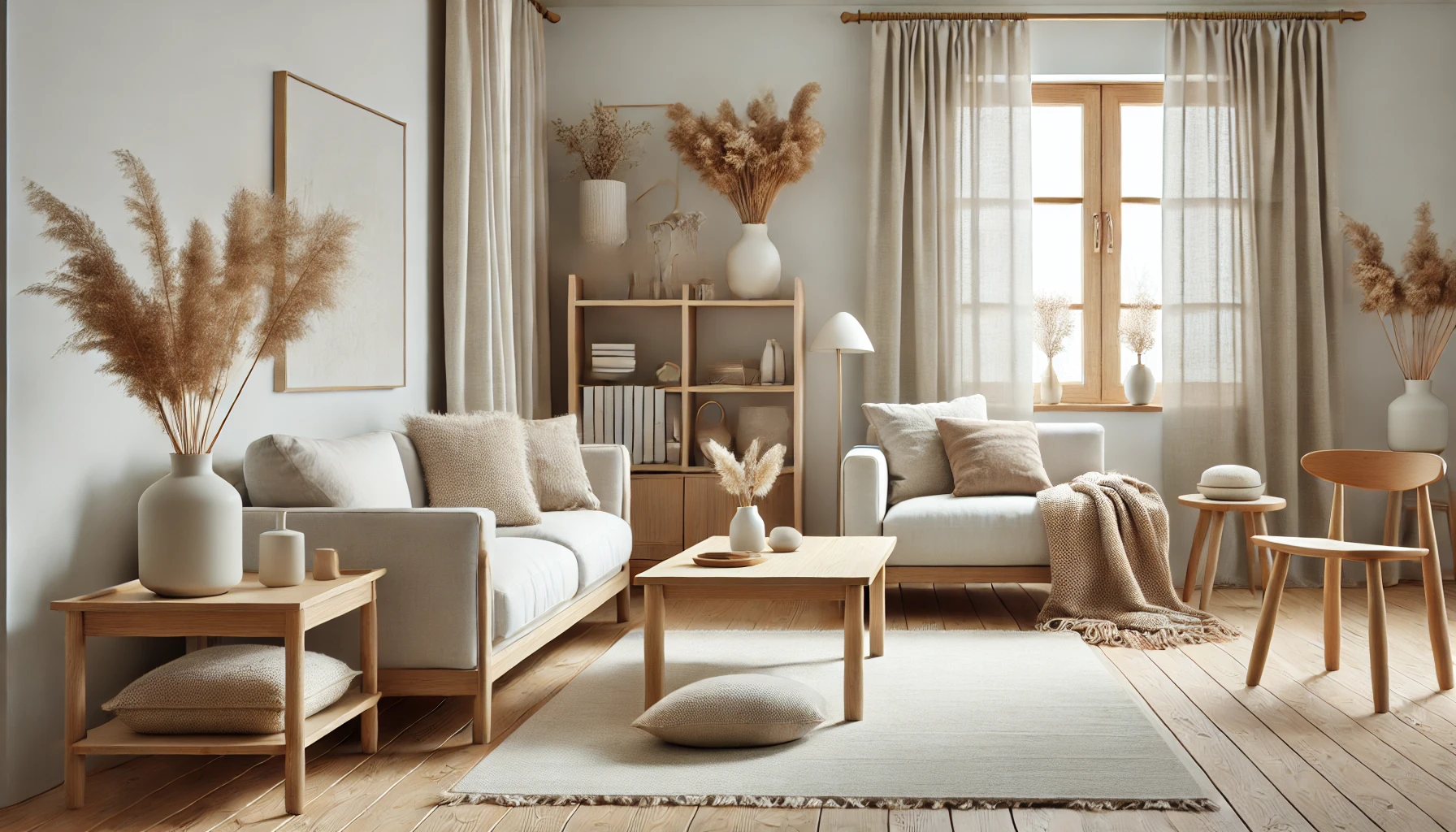
I once adored vibrant, bold colors. My walls were a symphony of lively hues. But I noticed that while they were exciting, they were also visually demanding. When I switched to a palette of soft whites, warm greys, and muted beiges, it was like taking a deep breath. The room itself became a blank canvas, allowing the textures and forms of the furniture to truly shine. It wasn’t boring; it was calming, sophisticated, and surprisingly versatile.
Start with a base of white, off-white, or light grey for walls. Introduce warmth through natural wood tones, and subtle depth with charcoal, soft green, or muted blue accents in textiles or art.
3. Prioritize Function and Form: Furniture as Sculpture
Every piece of furniture in a minimalist home must earn its place. It should be both functional and aesthetically pleasing, with clean lines and purposeful design.
I used to buy furniture based solely on ‘how it looked’ or ‘how cheap it was.’ But in my minimalist shift, I started looking for pieces that were built to last, multi-functional, and beautiful in their simplicity. My sofa became more than just a place to sit; its clean lines and soft fabric contributed to the room’s serene geometry. My coffee table wasn’t just a surface; its elegant, uncluttered top invited calm reflection. Each piece felt intentional, a silent contributor to the room’s overall peace.”
Choose furniture with clean, simple lines. Opt for pieces with hidden storage to reduce visible clutter. Look for natural materials like wood, linen, cotton, and metal.
4. The Art of the Empty Space: Breathing Room
In minimalist design, negative space is just as important as positive space. It’s the visual pause that allows your eye (and mind) to rest.
My old self would have filled every wall with a picture, every shelf with an object. But I learned that empty space isn’t wasted space; it’s breathing space. It allows the eye to travel, to appreciate the form of an object, or the texture of a wall, without being overwhelmed. An uncluttered countertop or a bare section of wall suddenly felt expansive, inviting a sense of quietude.”
Resist the urge to fill every surface. Leave at least one-third of your shelf space empty. Don’t crowd your walls with too much art; let a few carefully chosen pieces stand out.
Layering Calm: Texture, Light, and Greenery
Minimalism isn’t about starkness. It’s about richness in simplicity, achieved through subtle layering.
5. Texture is Your Best Friend
Without excessive pattern or color, texture becomes paramount in adding depth and warmth to a minimalist space.
When I first thought of ‘minimalist,’ I pictured sterile, cold rooms. But then I discovered the magic of texture. My soft, chunky knit throw blanket against the smooth linen sofa, the rustic weave of my rug underfoot, the subtle grain of my wooden side table—these weren’t just decorative elements; they were tactile invitations to comfort. They added a quiet luxury, a sensory richness that made the ‘less’ feel ‘more.
Introduce texture through natural materials: a wool rug, linen curtains, a cashmere throw, ceramic vases, wooden bowls, or stone coasters.
6. Mindful Lighting: Setting the Mood
Lighting in a minimalist home is about enhancing serenity, not just illuminating a space.
I used to rely on one harsh overhead light, which flattened the entire room. But with minimalism, I learned to layer light. Soft, diffused natural light pouring through sheer linen curtains during the day. In the evenings, warm, low-level lamps strategically placed to create cozy pools of light, rather than a uniform brightness. Each light source became a brushstroke, painting an atmosphere of calm and intimacy.
Maximize natural light with sheer window treatments. In the evening, use multiple light sources at varying heights (table lamps, floor lamps) with warm-toned bulbs to create a gentle glow. Dimmer switches are invaluable.
7. Introduce Life: The Power of Greenery
Plants are the ultimate minimalist decor item – they add life, color, and texture without creating clutter.
In a room designed with clean lines and neutral tones, a simple green plant isn’t just decoration; it’s a living sculpture. It brought a breath of fresh air, a subtle organic contrast that softened the structural elements of the room. A single, elegant snake plant or a cascading pothos instantly infused a sense of vibrant calm without overwhelming the space.
Choose a few high-quality, easy-care plants. Opt for simple, sculptural shapes (e.g., Fiddle Leaf Fig, Monstera, Snake Plant). House them in minimalist pots made from natural materials like terracotta, ceramic, or woven baskets.
The Continuous Practice: Maintaining the Calm
Minimalism isn’t a one-time project; it’s an ongoing practice, a gentle discipline that sustains the calm you’ve created.
8. The “One In, One Out” Rule
To prevent re-accumulation, adopt this simple yet powerful habit.
After the initial purge, I was terrified of falling back into old habits. That’s when I adopted the ‘one in, one out’ rule. If I bought a new book, an old one went to the donation pile. If I bought a new piece of clothing, an old one was released. This simple discipline became a mindful boundary, preventing clutter from creeping back in and preserving the tranquility I had worked so hard to create.
For every new item you bring into your home, commit to removing an old, similar item. This applies to clothes, books, kitchen gadgets, and decor.
9. Mindful Surfaces: The Power of Empty Countertops
Clear surfaces are visual decluttering.
My kitchen counters used to be graveyards of gadgets, mail, and forgotten trinkets. Every morning, the visual noise was the first thing that greeted me. Now, I make it a daily practice to clear my counters before bed. Waking up to a clear, expansive surface is like starting the day with a clean slate for my mind. It’s an instant mood booster.
Designate specific homes for everything. Before leaving a room, do a quick “reset” by putting items back in their place. Allow only truly essential or intentionally decorative items to live on countertops and tabletops.
10. Embrace Imperfection and Evolution
Minimalism isn’t about perfection; it’s about progress and finding what works for you.
My minimalist journey hasn’t been a straight line. There have been moments where I’ve accumulated a little too much, or felt the urge to buy a ‘cute’ new trinket. But the beauty of minimalism is its flexibility. It’s a guiding philosophy, not a rigid set of rules. It taught me to be forgiving of myself, to continuously evaluate what serves me, and to always prioritize the feeling of calm and spaciousness in my home. It’s an evolution, a continuous dance between what you have and what truly enhances your life.
Regularly reassess your space. Does it still feel calm? Are there new areas of clutter? Minimalism is a lifestyle, not a destination.
Conclusion: Your Home, Your Sanctuary of Calm
Minimalist home design is far more than just an aesthetic; it’s an invitation to a more peaceful, intentional way of living. By embracing the principles of thoughtful decluttering, purposeful design, and mindful maintenance, you transform your home from a source of overwhelm into a true sanctuary.
You’ll discover that living with less actually allows you to experience more—more tranquility, more focus, more appreciation for the beauty of simple things. So, take that first step, breathe deeply, and begin your journey to creating calm in every corner of your home. Your overwhelmed soul will thank you.